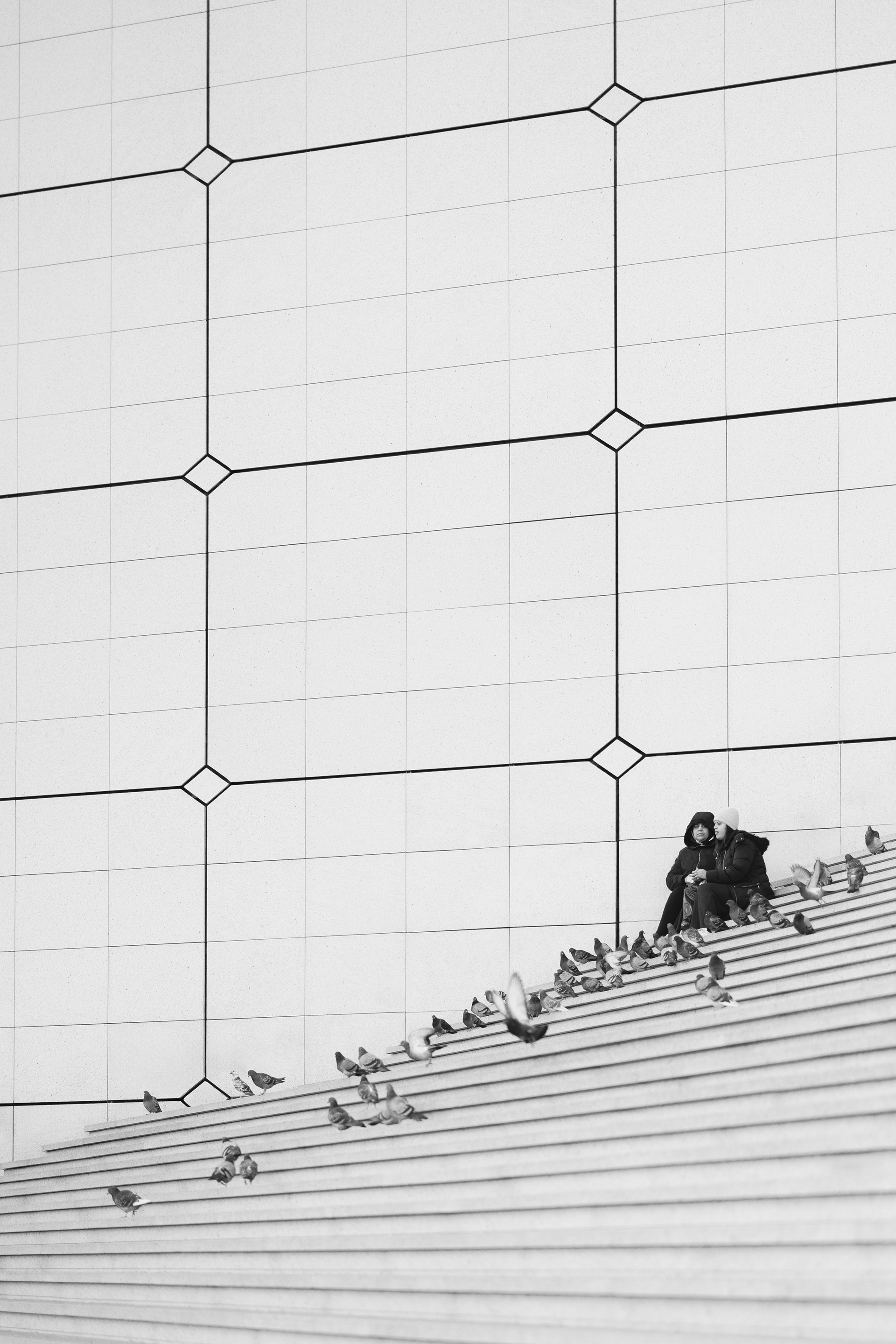
"There is a weariness in showing too much. An erosion of the gaze, under constant flux.
I chose the long form. The image that runs after no one. "
February 15, 2026 — I’m Not Upgrading My Canon EOS R5 (Yet)
There’s a quiet pressure in photography to chase the newest body—as if creativity lived in release notes. Canon’s EOS R5 Mark II is a serious camera, built for speed and modern autofocus. But for the way I shoot—street, architecture, and fine-art black & white—my priorities are different.
So for now, I’m keeping my original EOS R5.
What the R5 Mark II does better (and why it doesn’t move the needle for me)?
The Mark II’s headline improvements are clear: faster readout, more responsiveness, and a camera designed to handle movement effortlessly. If you shoot sports, wildlife, or fast action, it makes total sense.
My work is slower. My bottlenecks aren’t fps. They’re framing, timing, and tone.
The real question: what happens to the files?
A stacked sensor design is often optimized for speed first. That can come with small trade-offs in “best-case” dynamic range and deep shadow elasticity—nothing dramatic, but potentially visible once you start pushing a monochrome file hard and printing it large. For the kind of B&W texture I’m after, I’ll take the predictable, familiar behavior of the R5 sensor over incremental changes.
45MP is still my sweet spot
I crop sometimes. I print. I want room to reframe without losing detail. The Mark II stays around the same resolution, and my current files already give me everything I need for large, clean prints.
Familiarity is performance
This is the unsexy part of gear decisions: I know my R5. I know how far I can lift shadows, what kind of grain I get at higher ISO, and how my RF primes render on this sensor. That confidence is worth more (to me) than a new spec sheet.
What would actually make me upgrade?
Not “more speed.” Not “more AI.”
I’d upgrade for a meaningful leap in what I print: tonal latitude, high-ISO cleanliness, and micro-contrast—or a real jump in resolution without sacrificing the look I’m chasing.
I’d upgrade for a meaningful leap in what I print: tonal latitude, high-ISO cleanliness, and micro-contrast—or a real jump in resolution without sacrificing the look I’m chasing.
Until then, my EOS R5 isn’t “good enough.” It’s simply the right tool—for the way I see.

February 11th, 2026
After a few weeks on 1x.com, I’ve moved from Apprentice Curator to Curator (Level 1). The learning curve is real—but so is the friction. The two-step system (member voting, then official curation) can sometimes feel inconsistent: images I’d expect to be at least published don’t make it, while some “awarded” selections leave me puzzled.
After a few weeks on 1x.com, I’ve moved from Apprentice Curator to Curator (Level 1). The learning curve is real—but so is the friction. The two-step system (member voting, then official curation) can sometimes feel inconsistent: images I’d expect to be at least published don’t make it, while some “awarded” selections leave me puzzled.
I still value the exercise—slowing down, reading intent, and articulating feedback—but I’m currently weighing whether the subscription remains worth it for me. If I stay, it will be with clearer boundaries: using 1x as a training ground, not as a compass for my own editorial standards.
January 22nd, 2026
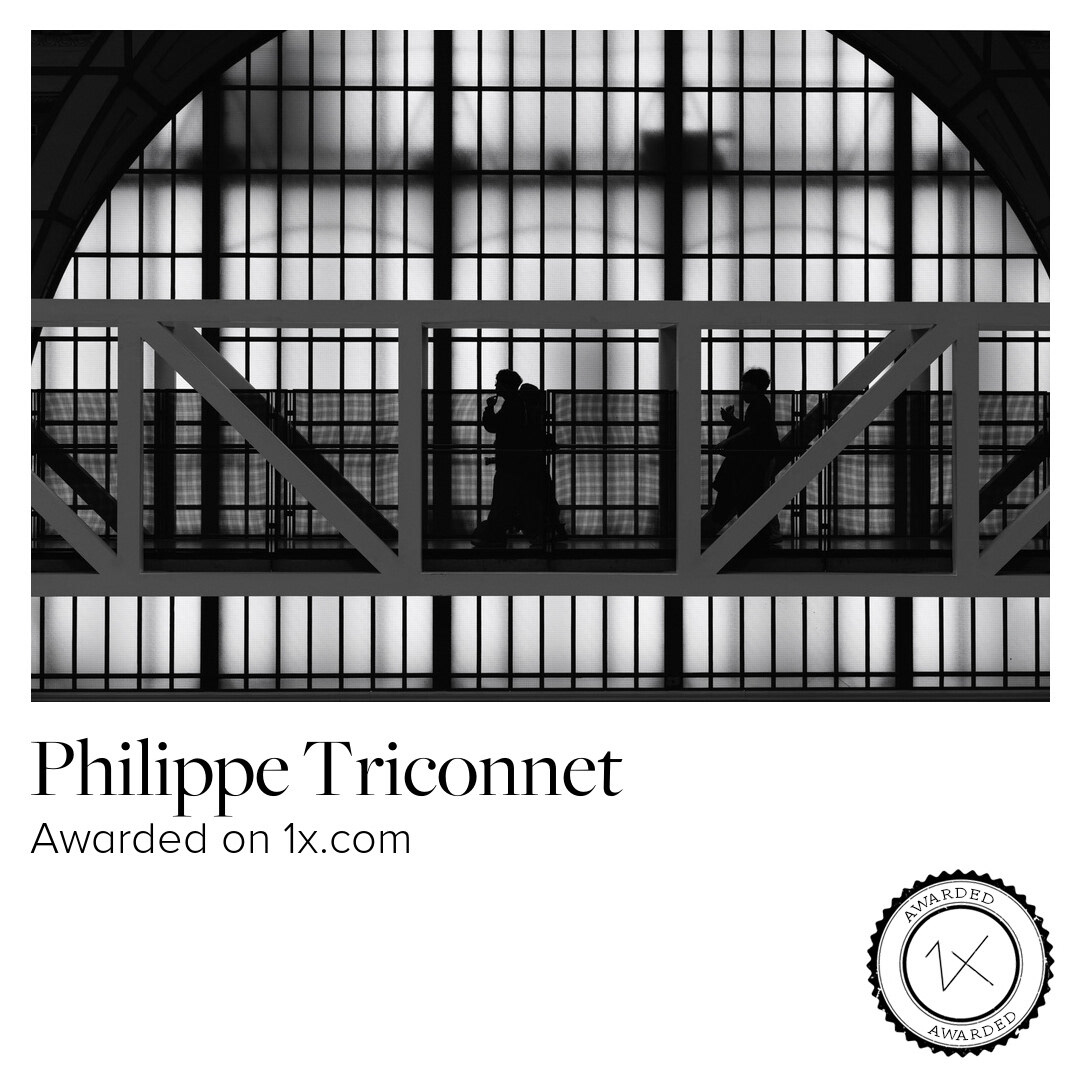
I’m happy to join 1x.com as both a photographer and an Apprentice Curator.
1x is one of the world’s largest curated photo galleries online, where images are handpicked through an editorial selection process led by professional curators.
It’s a genuinely challenging environment: the standards are high, the selection is tough, and every submission becomes a lesson in what really holds an image together. Curating is just as demanding. It pushes you to slow down, read intention, spot what works (and what doesn’t), and leave feedback that’s fair and useful.
On 1x, images first go through member voting before reaching the official curators, who assess idea, mood, aesthetics, and technical quality—with originality and variety in mind. I see it as a rigorous, sometimes humbling, but incredibly formative exercise.
January 6th, 2026
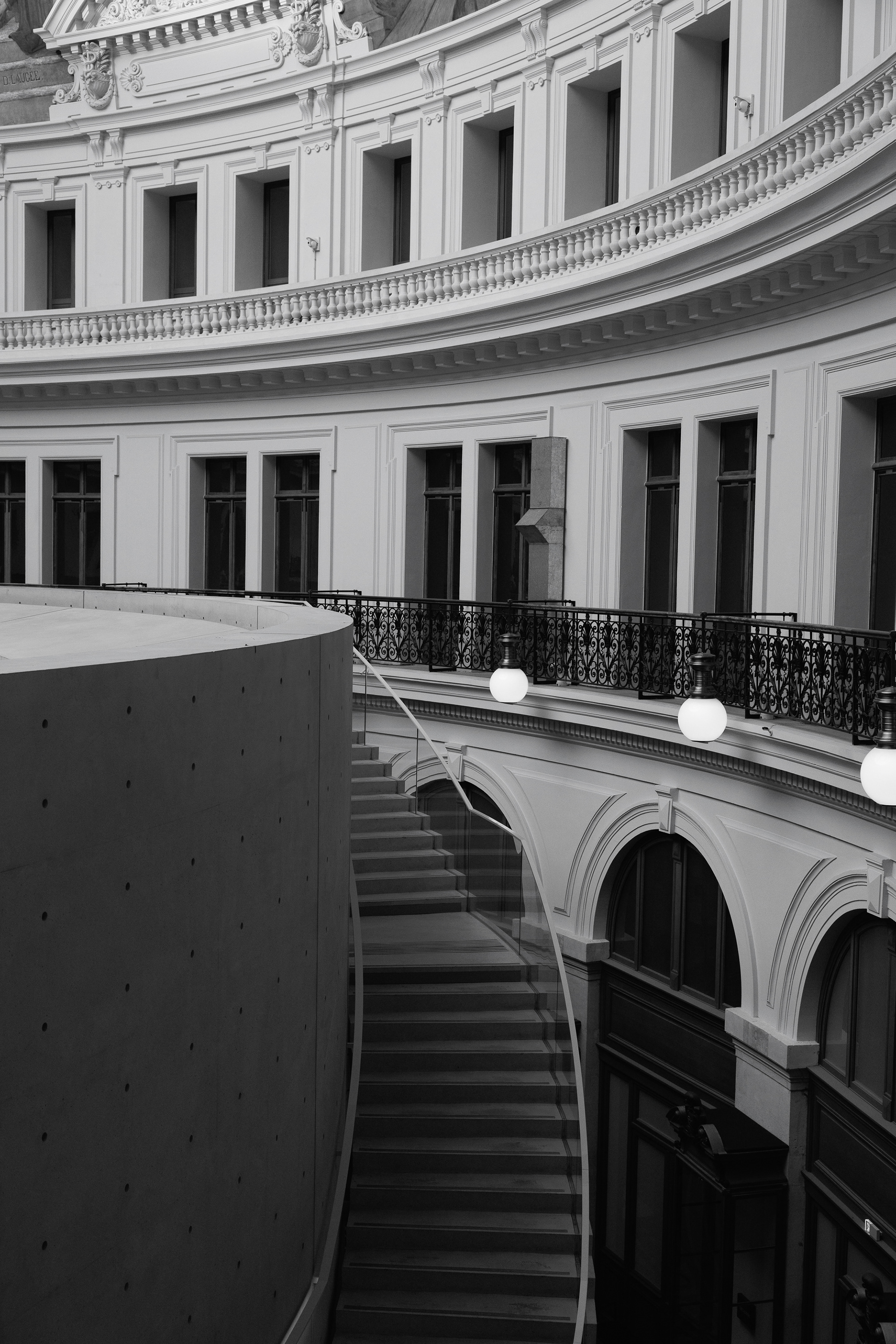
Muséales is currently in print test.
Holding the book in hand is a particular moment.
It forces a slower pace,
a different kind of attention,
an acceptance of what remains
and what disappears.
a different kind of attention,
an acceptance of what remains
and what disappears.
At the same time, the second volume of Umbra is in preparation.
It continues this exploration, no longer through shadow,
but through time —
the kind that moves through stone
while we pass.
It continues this exploration, no longer through shadow,
but through time —
the kind that moves through stone
while we pass.
Nothing is fixed yet.
The work continues.
The work continues.
December 2025 – “Muséales” photobook (work in progress)
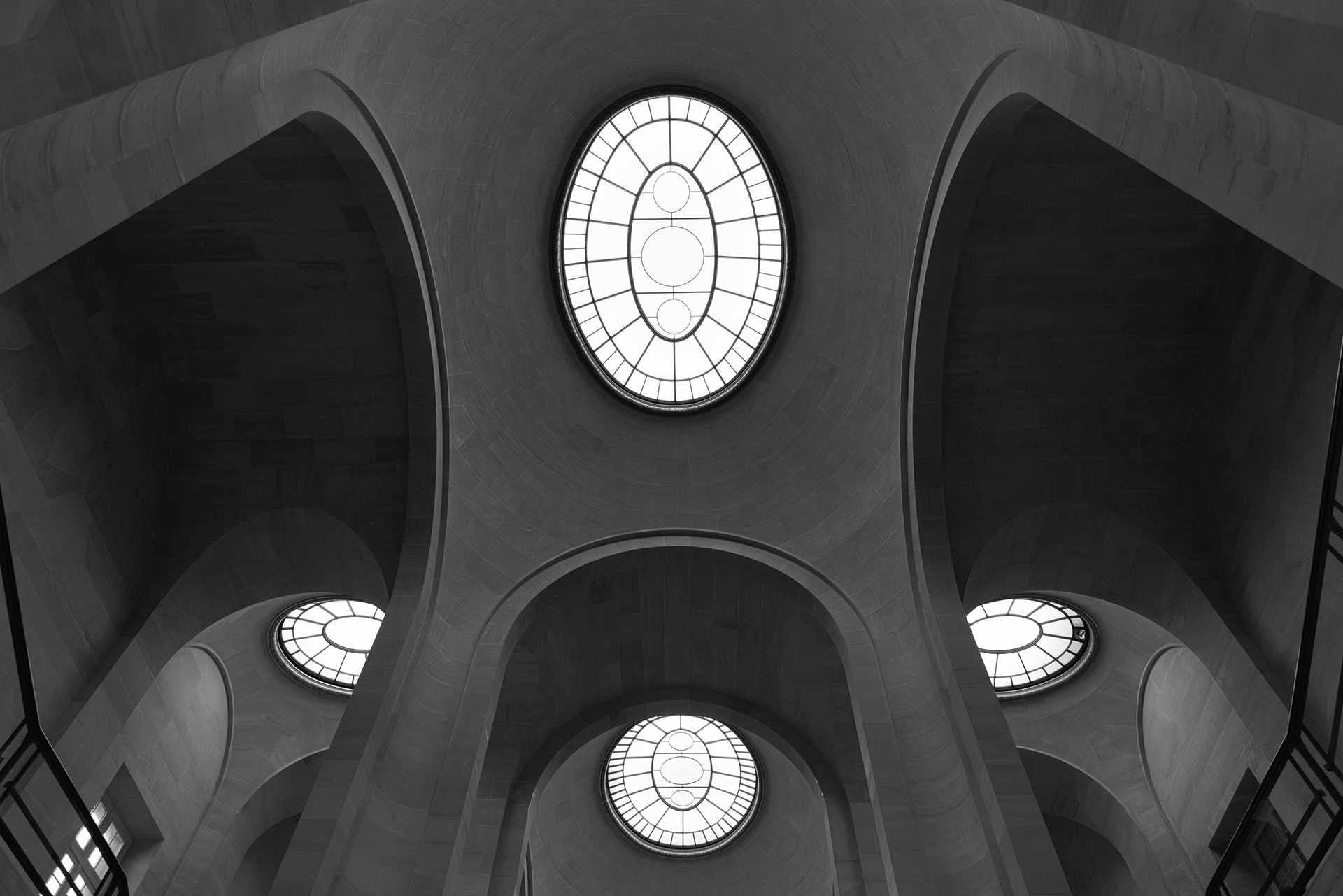
I am currently working on a photobook project around Parisian museums, tentatively titled “Muséales”.
The book will bring together images from Musée d’Orsay, the Louvre and other institutions, focusing on intimate, silent scenes rather than grand touristic views.
The book will bring together images from Musée d’Orsay, the Louvre and other institutions, focusing on intimate, silent scenes rather than grand touristic views.
Most of the photographs come from my ongoing series “Échos de pierre”, started at Orsay and later extended to the Louvre.
More to come here as the project takes shape.
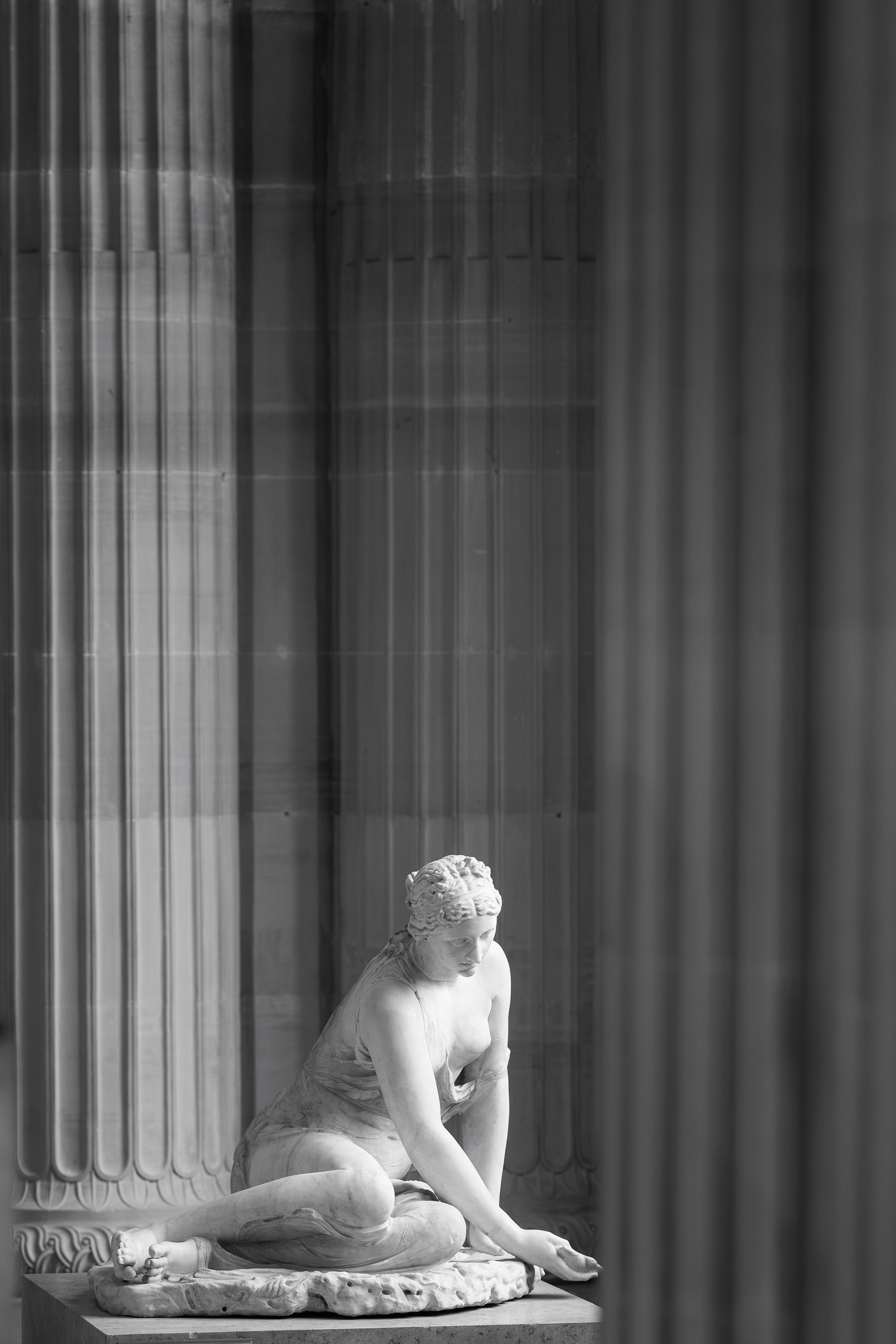
November 2025 – New works from the Louvre
After starting “Échos de pierre” at Musée d’Orsay, I have begun to photograph the Louvre with the same approach: quiet moments, strong geometry, and deep black and white.
These images extend the project beyond a single museum, keeping the same visual language and mood.
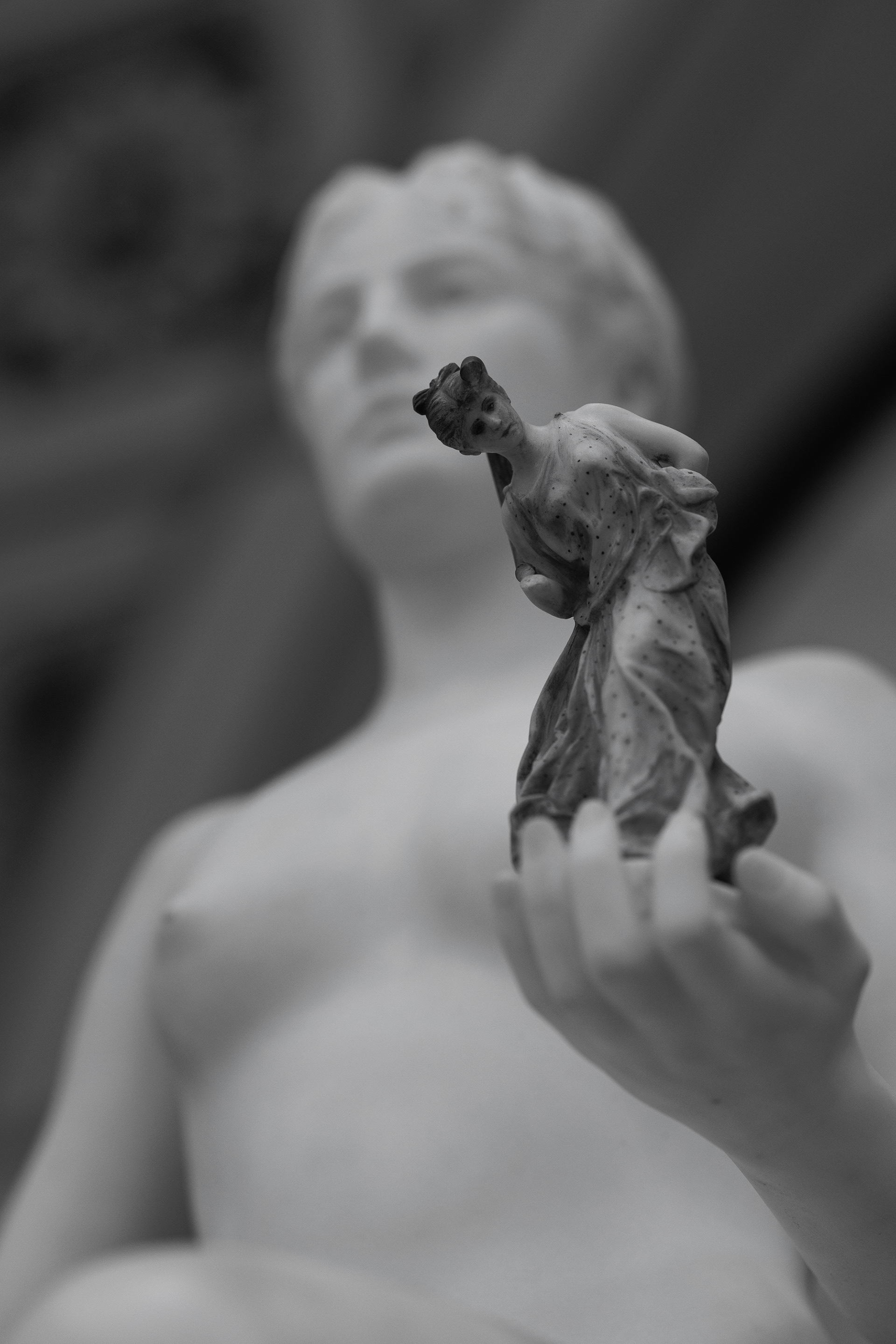
October 2025 – “Échos de pierre” at Musée d’Orsay
“Échos de pierre” started as a long-term series at Musée d’Orsay, exploring the dialogue between stone, light, and the quiet presence of visitors.
This body of work opens the “Échos de pierre” section on the website and will evolve over time as I return to the museum, often with my 85mm lens.